Additives•3 min read
Caramel Color (E150d): The Controversial Dye in Your Cola
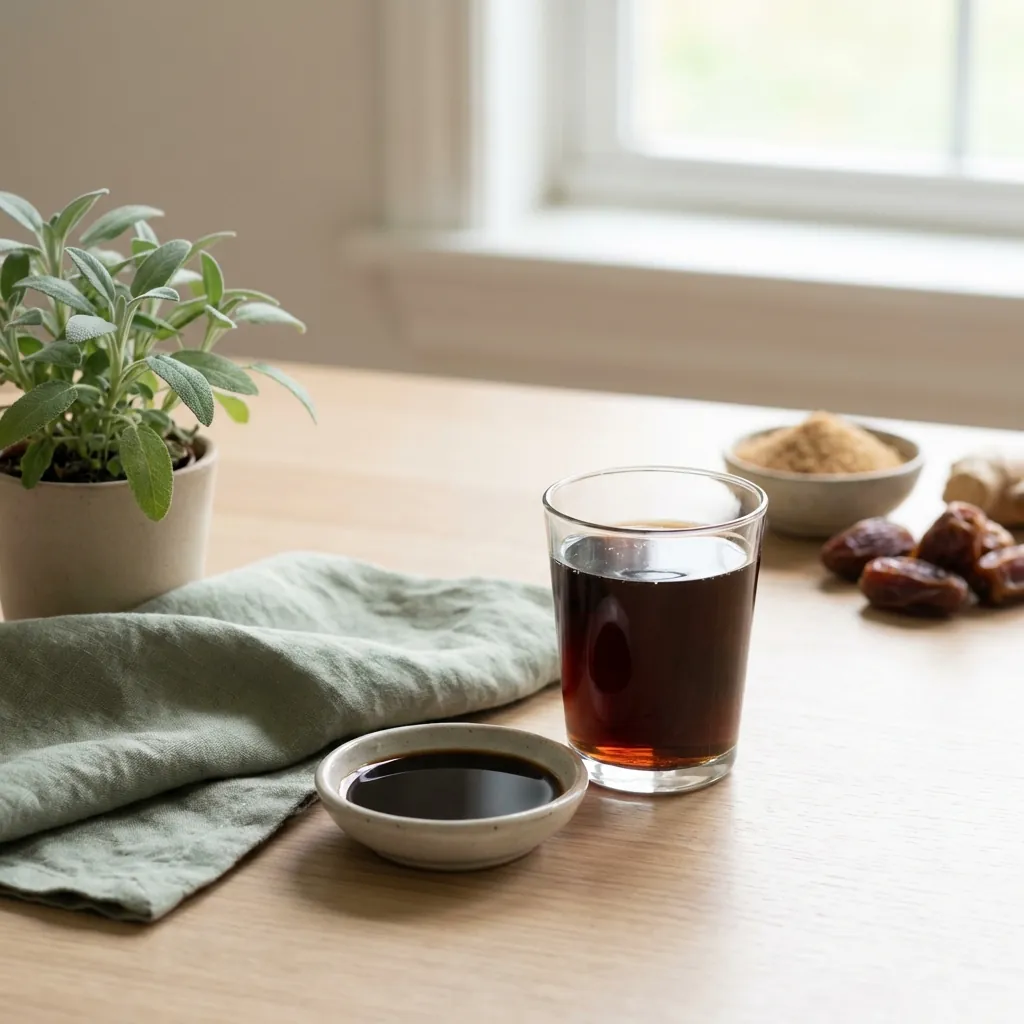
Caramel Color (E150d) is not just burnt sugar. It contains 4-MEI, a potential carcinogen found in cola, soy sauce, and dark breads. Kale rates it Caution (Orange).
Tips, guides, and insights to help you make healthier food choices.
Caramel Color (E150d) is not just burnt sugar. It contains 4-MEI, a potential carcinogen found in cola, soy sauce, and dark breads. Kale rates it Caution (Orange).
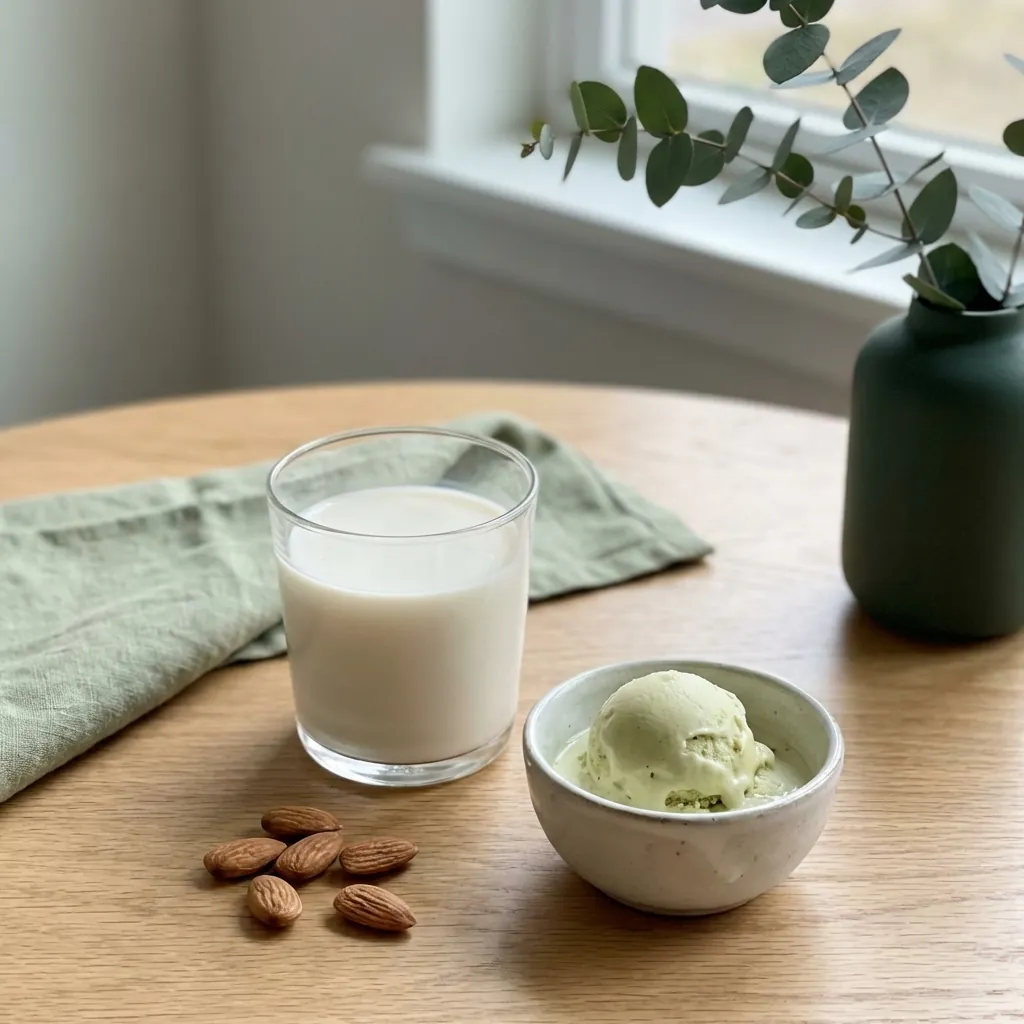
Carrageenan (E407) is a seaweed-derived thickener found in almond milk and ice cream. It is linked to gut inflammation and digestive issues. Kale rates it Caution (Orange).

Erythritol is a popular sugar alcohol found in keto products like Halo Top. A controversial 2023 study linked high blood levels to blood clots. Kale rates it Caution (Orange) for now.

High Fructose Corn Syrup (HFCS) and Cane Sugar are practically identical to your body as they both spike your blood sugar. Marketing makes one seem worse, but the real enemy is the excess of both.
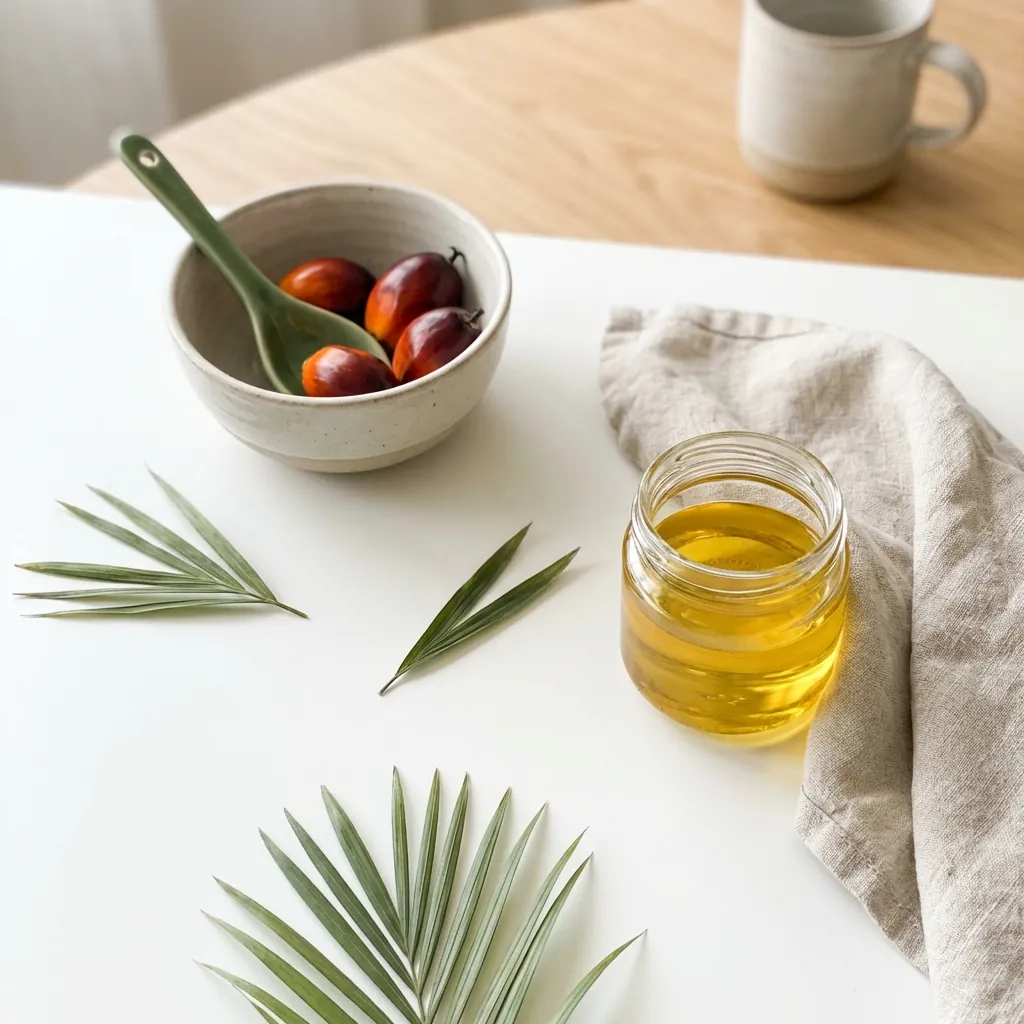
Palm oil is the world's most consumed oil, found in 50% of supermarket products. It raises health concerns due to saturated fats and environmental concerns due to deforestation. Kale rates it Caution (Orange).
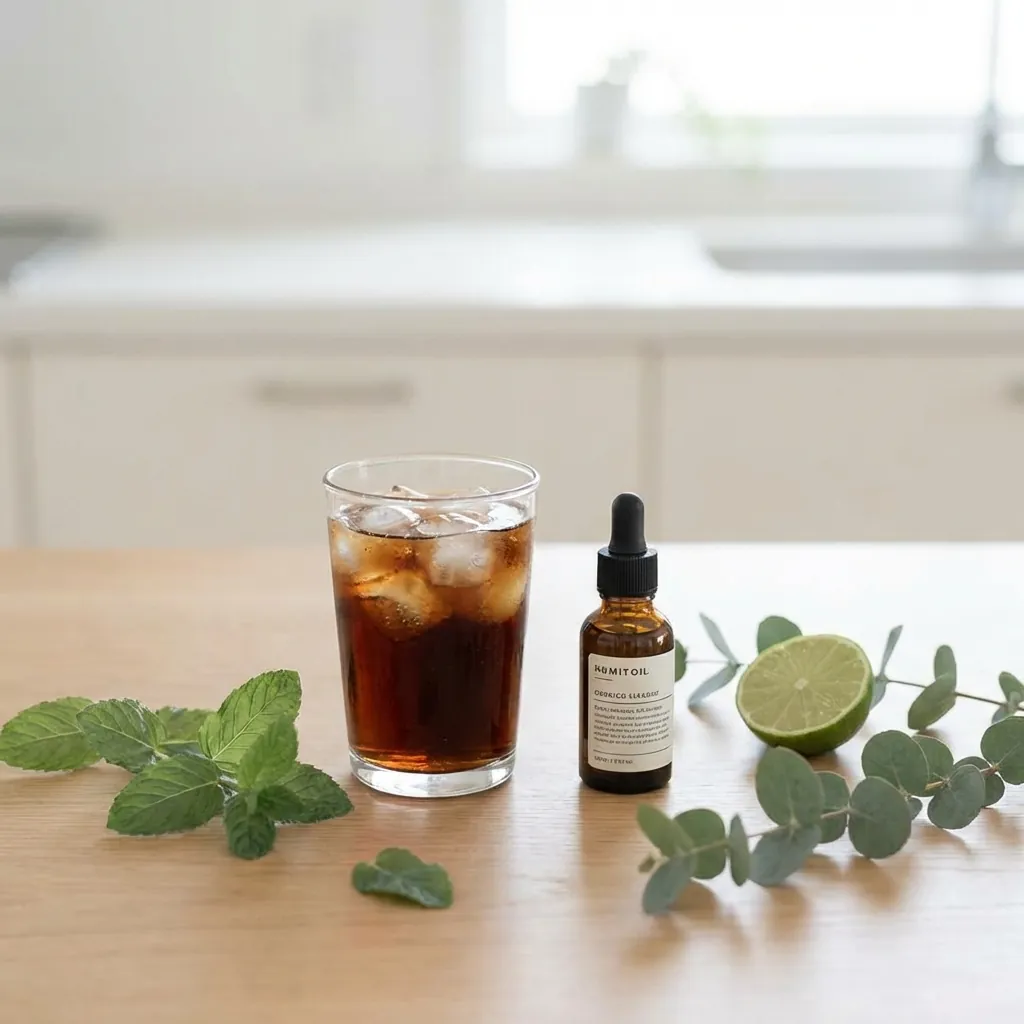
Phosphoric Acid (E338) is the tangy additive that gives cola its bite. But it can leech calcium from your bones and erode tooth enamel. Kale rates it Caution (Orange).
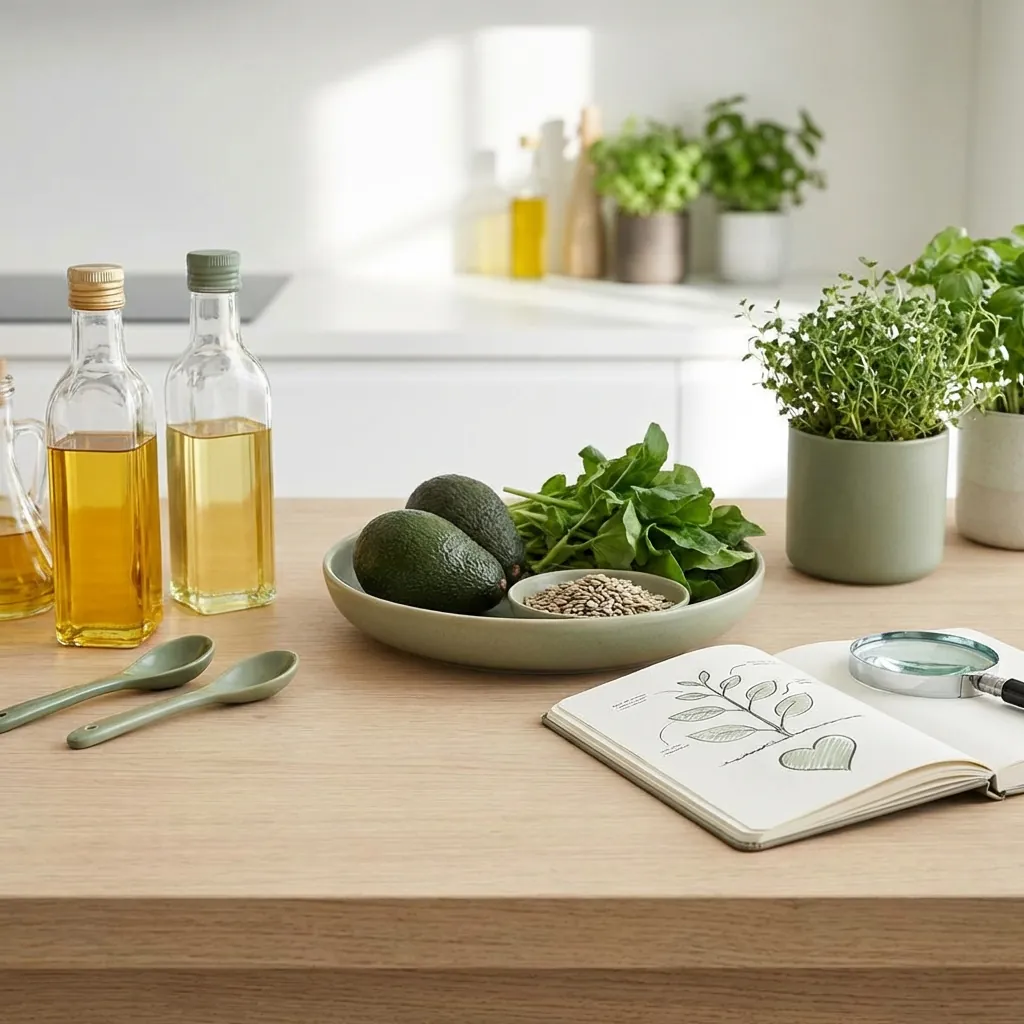
Seed oils like soybean, canola, and sunflower oil are everywhere. Critics claim they cause inflammation, while health organizations say they are heart-healthy. Here's what you need to know.
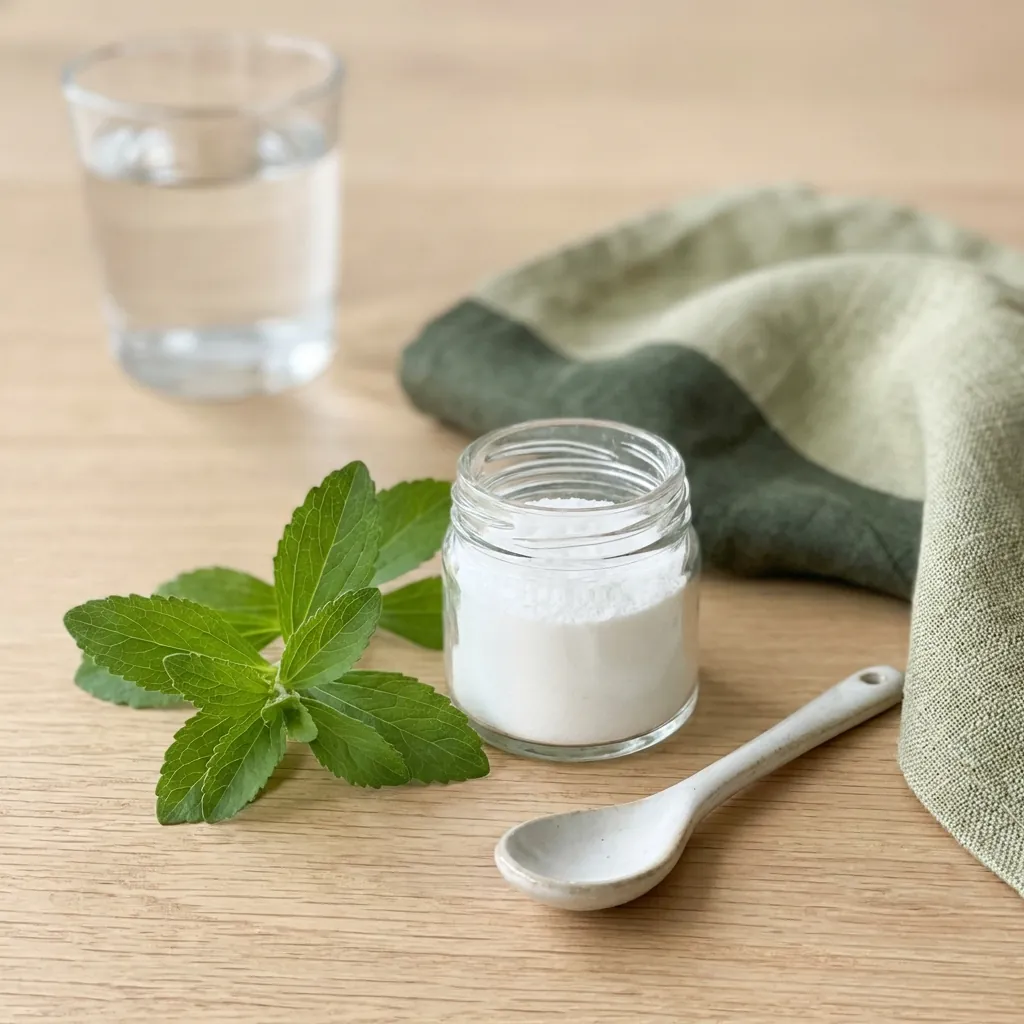
Stevia is a natural sweetener extracted from a leaf, not a lab. It has zero calories and doesn't spike blood sugar. Is it the holy grail of sugar substitutes? Kale rates it Safe (Green).
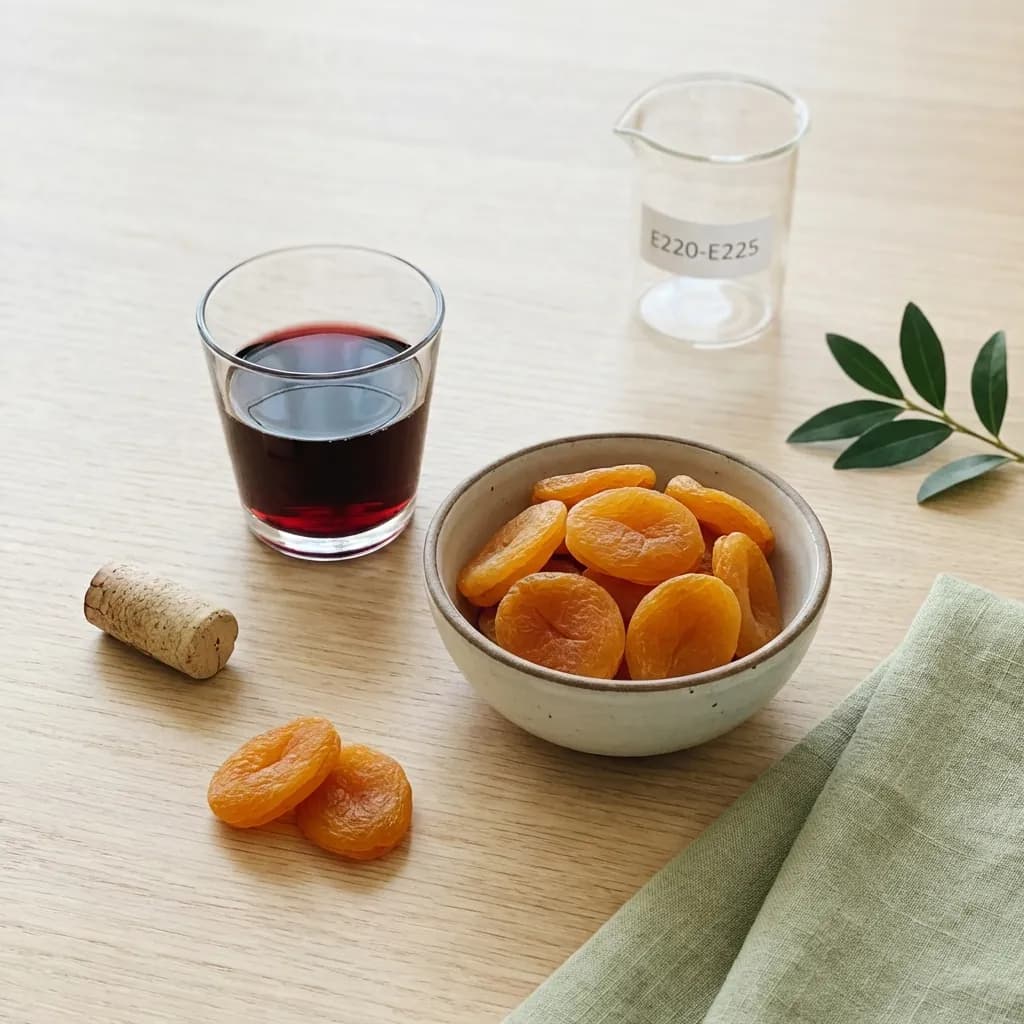
Sulfites (E220-E225) are preservatives found in wine, dried fruit, and vinegar. They are a top allergen and can trigger severe asthma. Kale rates them Caution (Orange).
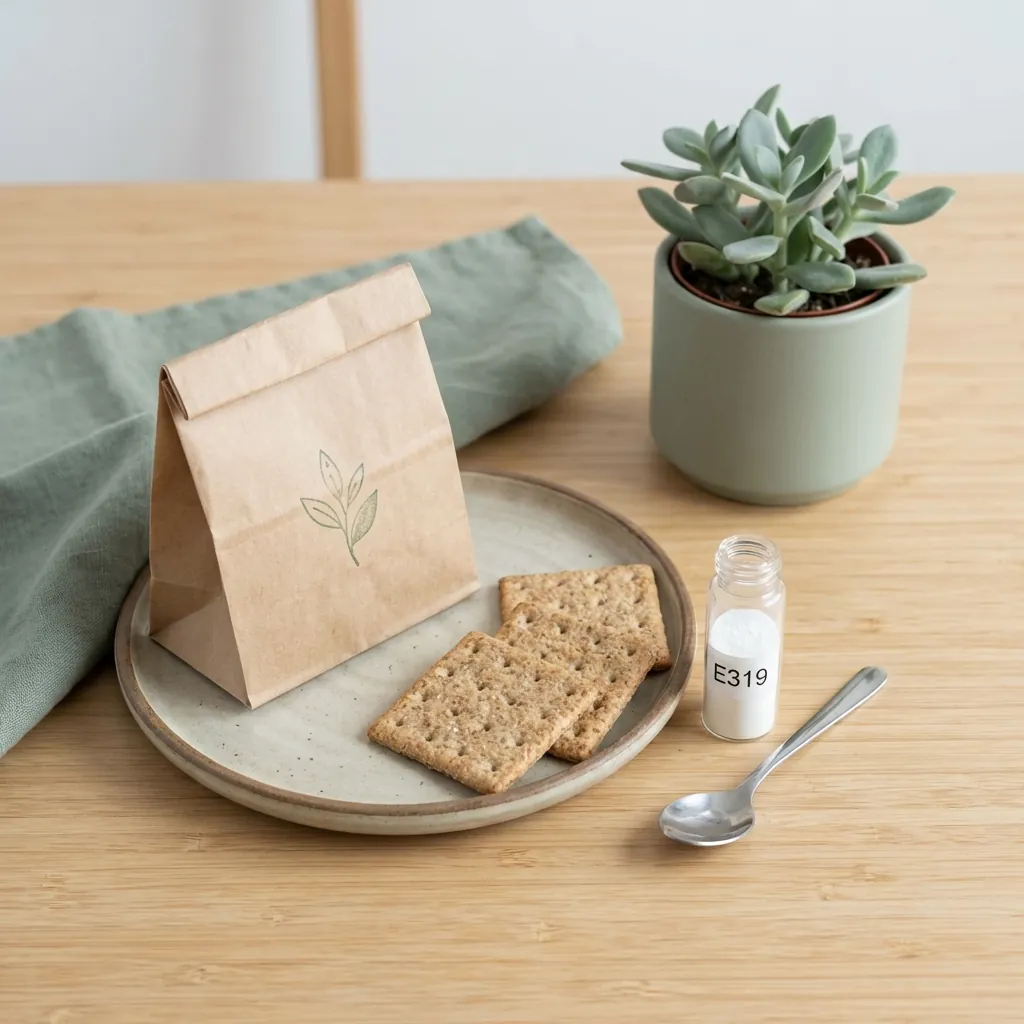
TBHQ (E319) is a synthetic antioxidant used to extend the shelf life of oily foods like crackers and nuggets. High doses are linked to immune system suppression. Kale rates it Caution (Orange).
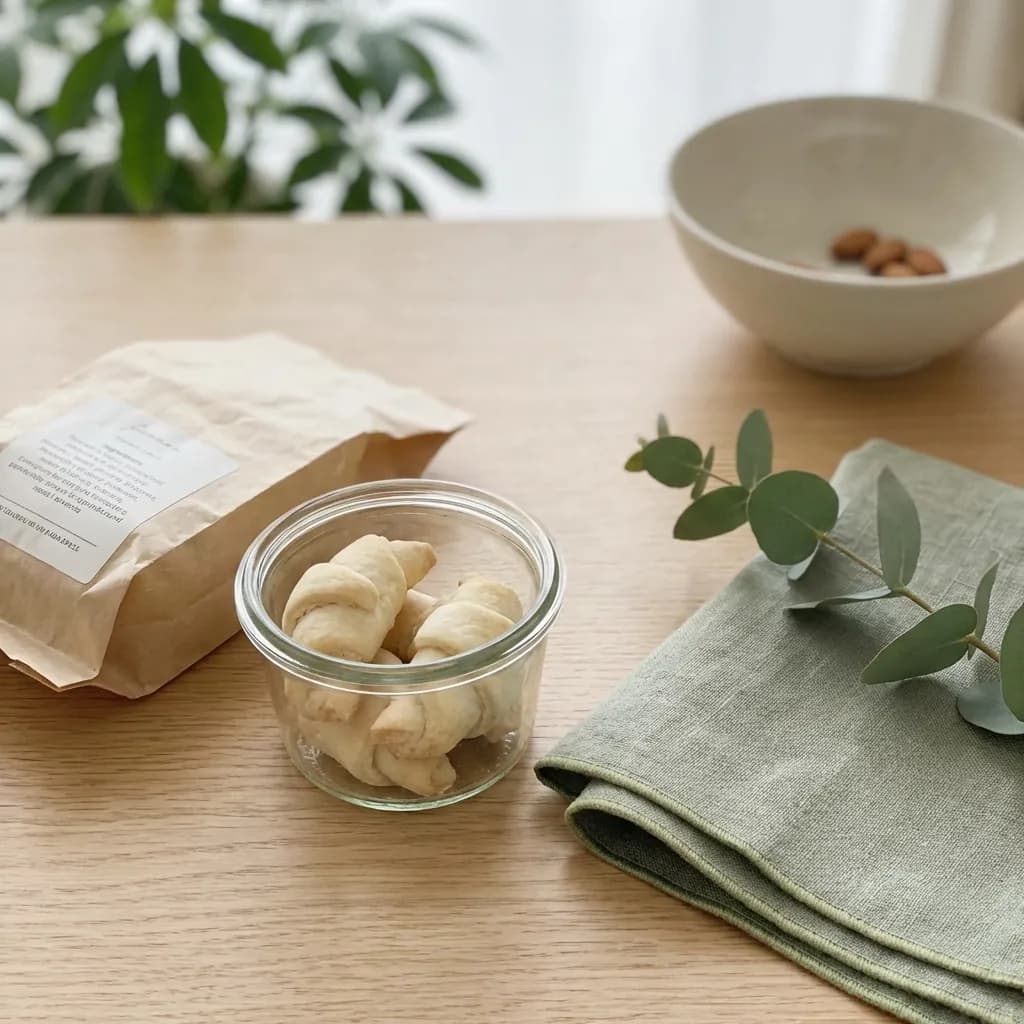
Trans fats (partially hydrogenated oils) are the only fat proven to be unsafe at any level. While banned in many places, they still hide in processed foods under loophole rules. Kale rates them Avoid (Red).
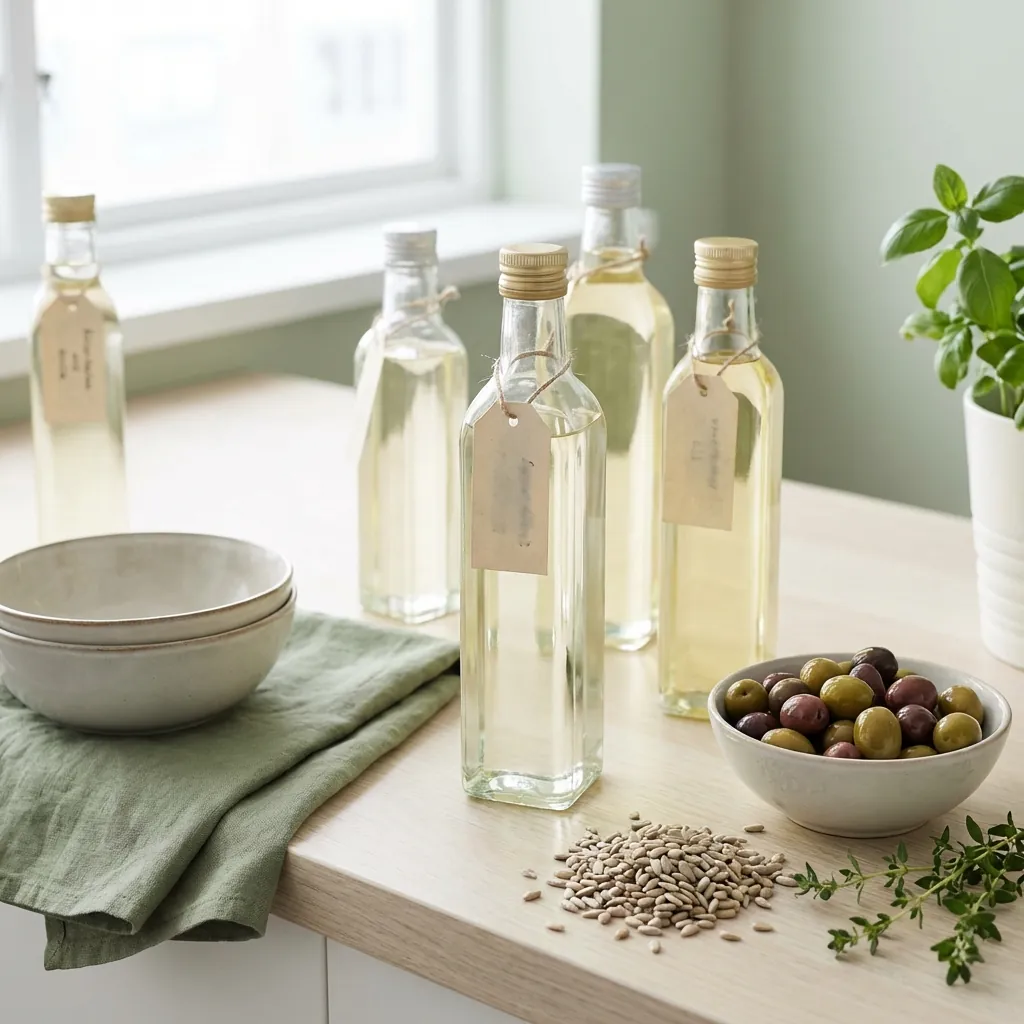
That bottle of 'Vegetable Oil' isn't made from broccoli or carrots. It's almost certainly 100% Soybean Oil. Learn why this highly processed oil is everywhere and why you should upgrade to fruit fats.
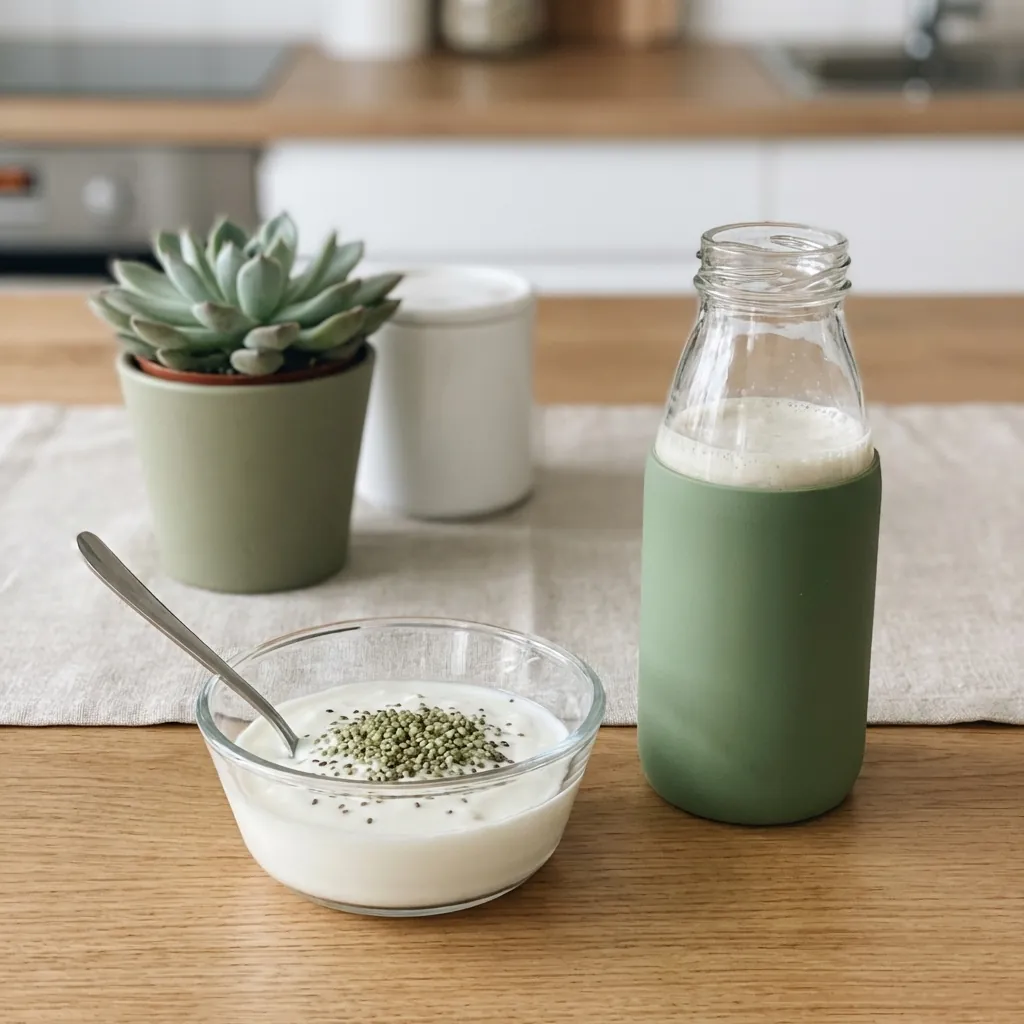
Acesulfame K (E950) is often blended with other sweeteners in soda and yogurt. It contains carcinogens like methylene chloride. Kale rates it Caution (Orange).
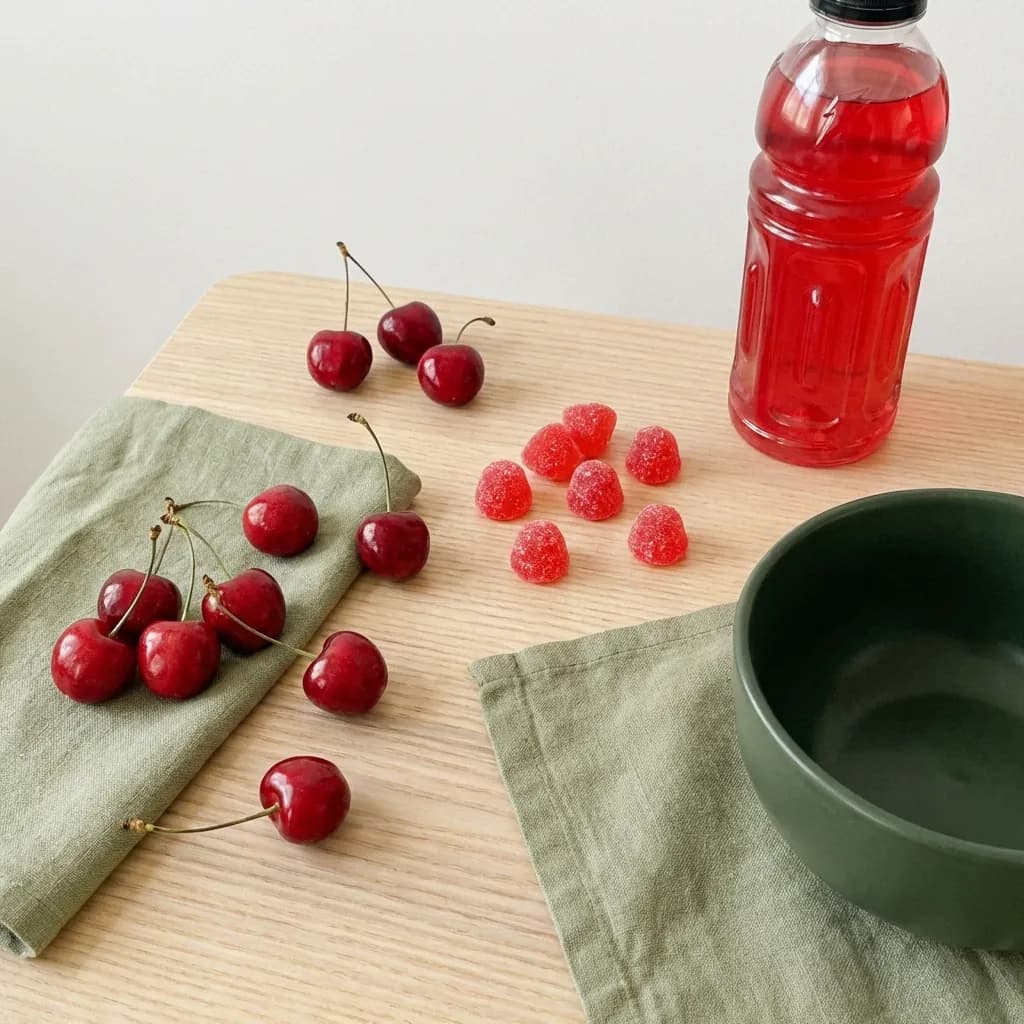
Allura Red (E129), or Red 40, is the most common food dye in the US. It's banned in many European countries for kids. See why Kale rates it Avoid (Red).

Aluminum (E173) is a metallic food coloring used in cake decorations. It's a suspected neurotoxin linked to Alzheimer's and bone issues. Kale rates it Avoid (Red).
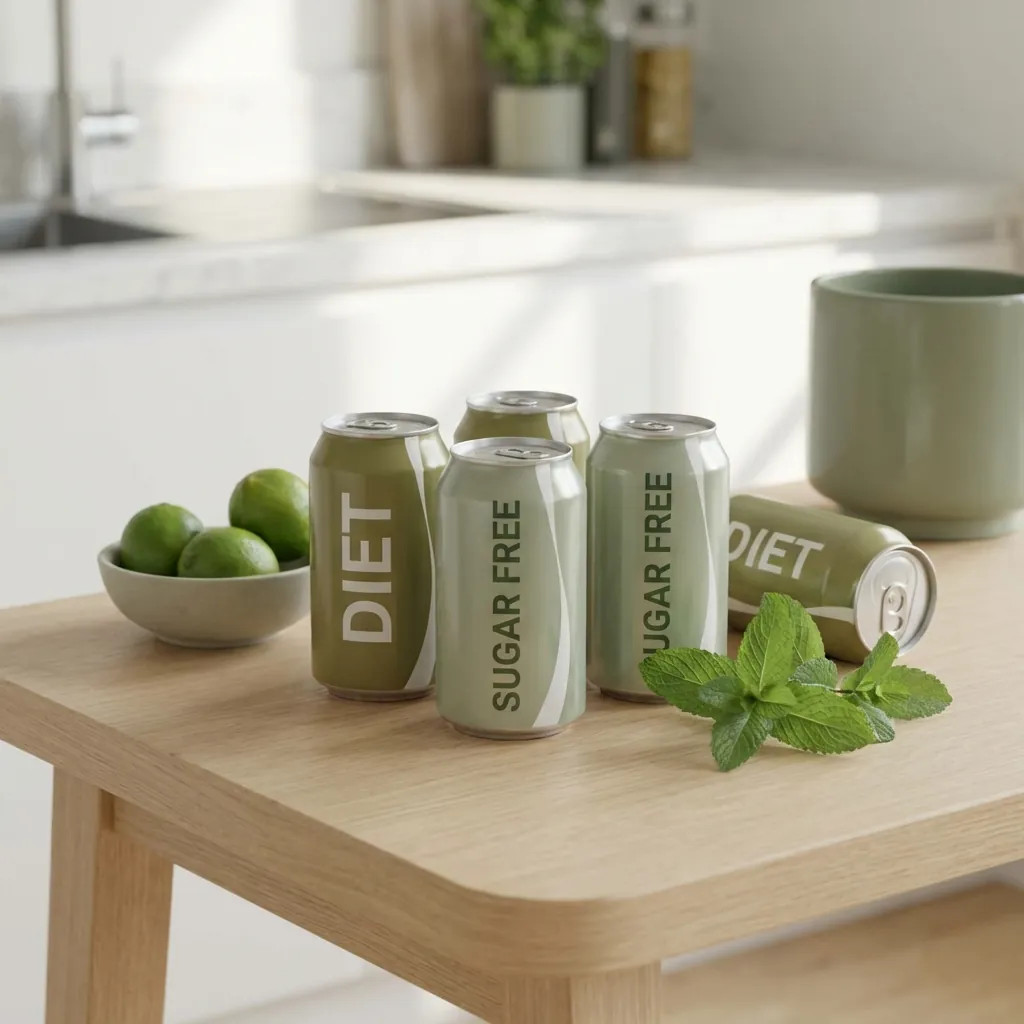
Aspartame (E951) is found in Diet Coke, gum, and thousands of 'sugar-free' products. The WHO recently classified it as a 'possible carcinogen.' Kale rates it Caution (Orange).
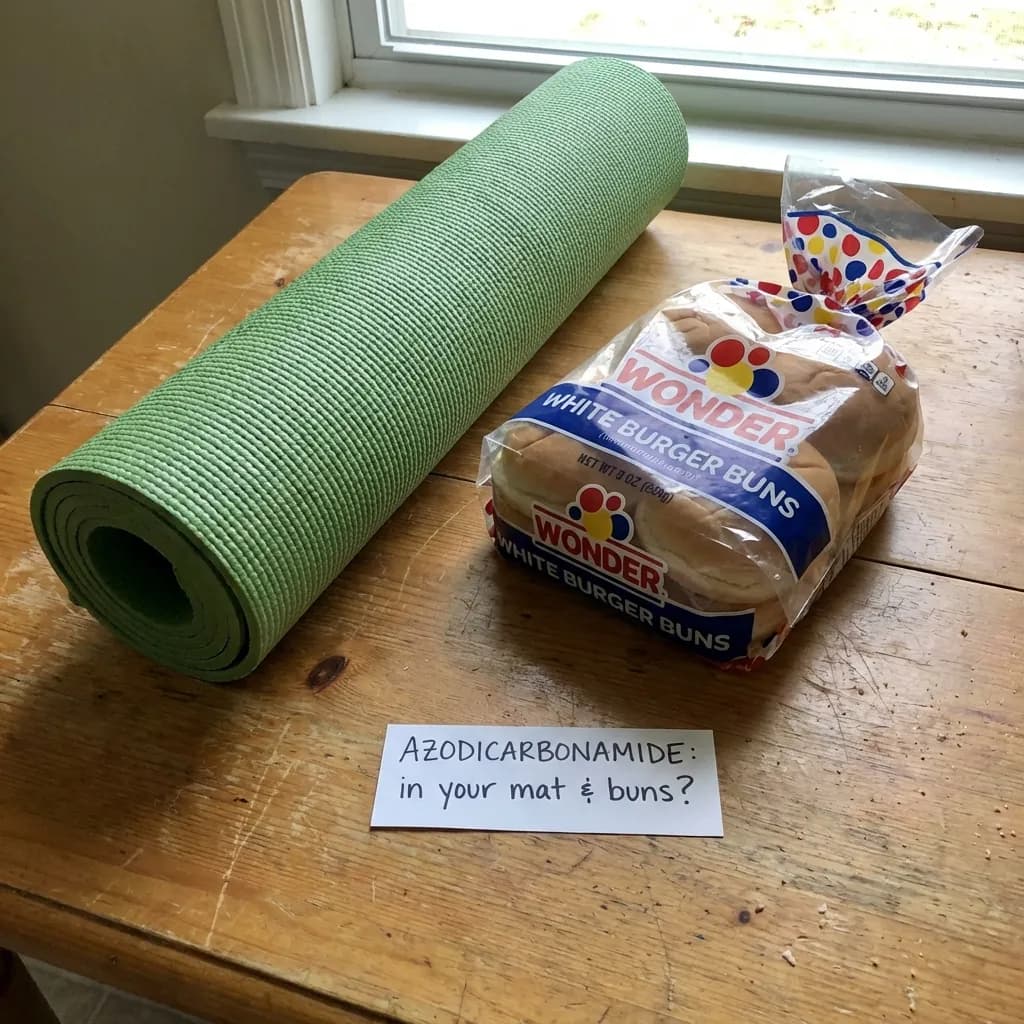
Azodicarbonamide (E927a) is a dough conditioner known as the 'yoga mat chemical.' It's banned in the EU and Australia but legal in the US. Kale rates it Avoid (Red).
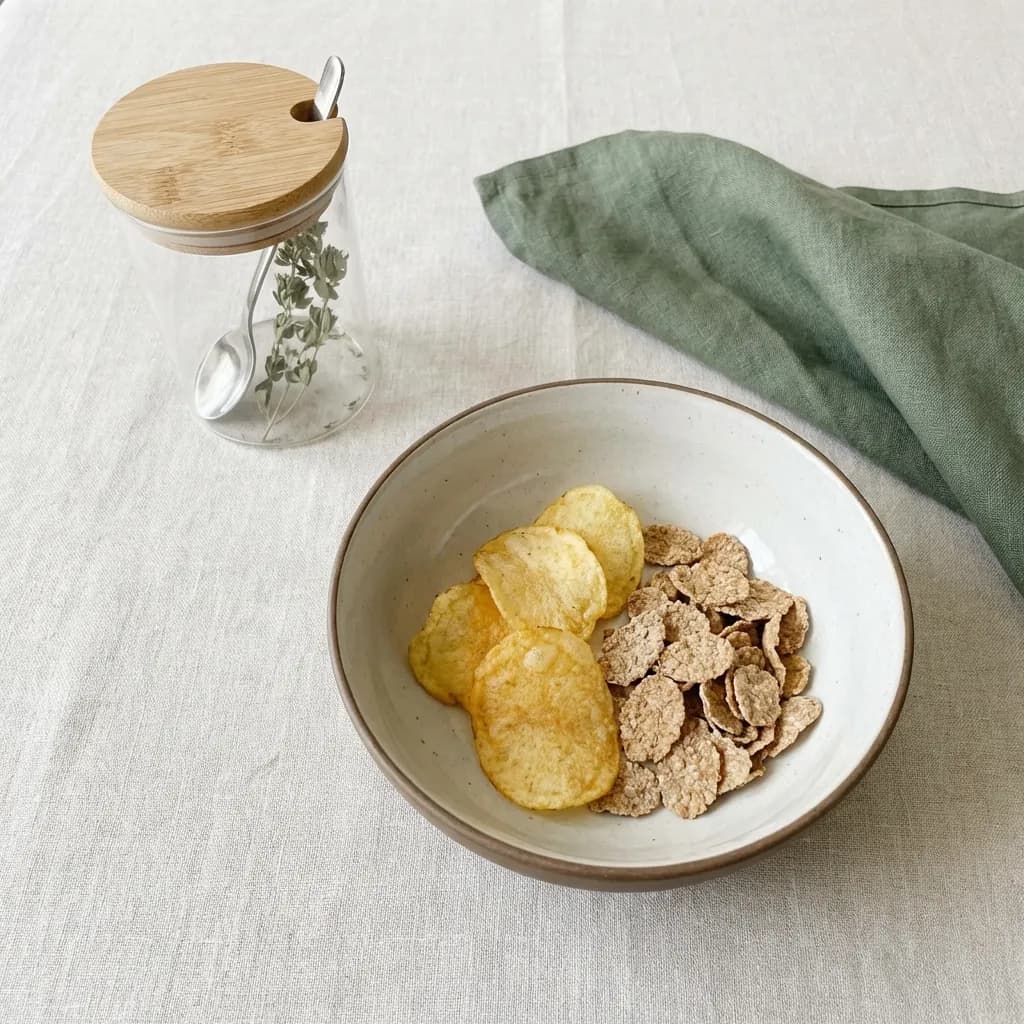
BHA (E320) is a common preservative found in chips and cereals, but it's also a potential carcinogen. Learn why Kale rates it as Avoid (Red).

BHT (E321) is a synthetic preservative often found with BHA. It's linked to cancer risk and hormone disruption. See why Kale rates it Avoid (Red).
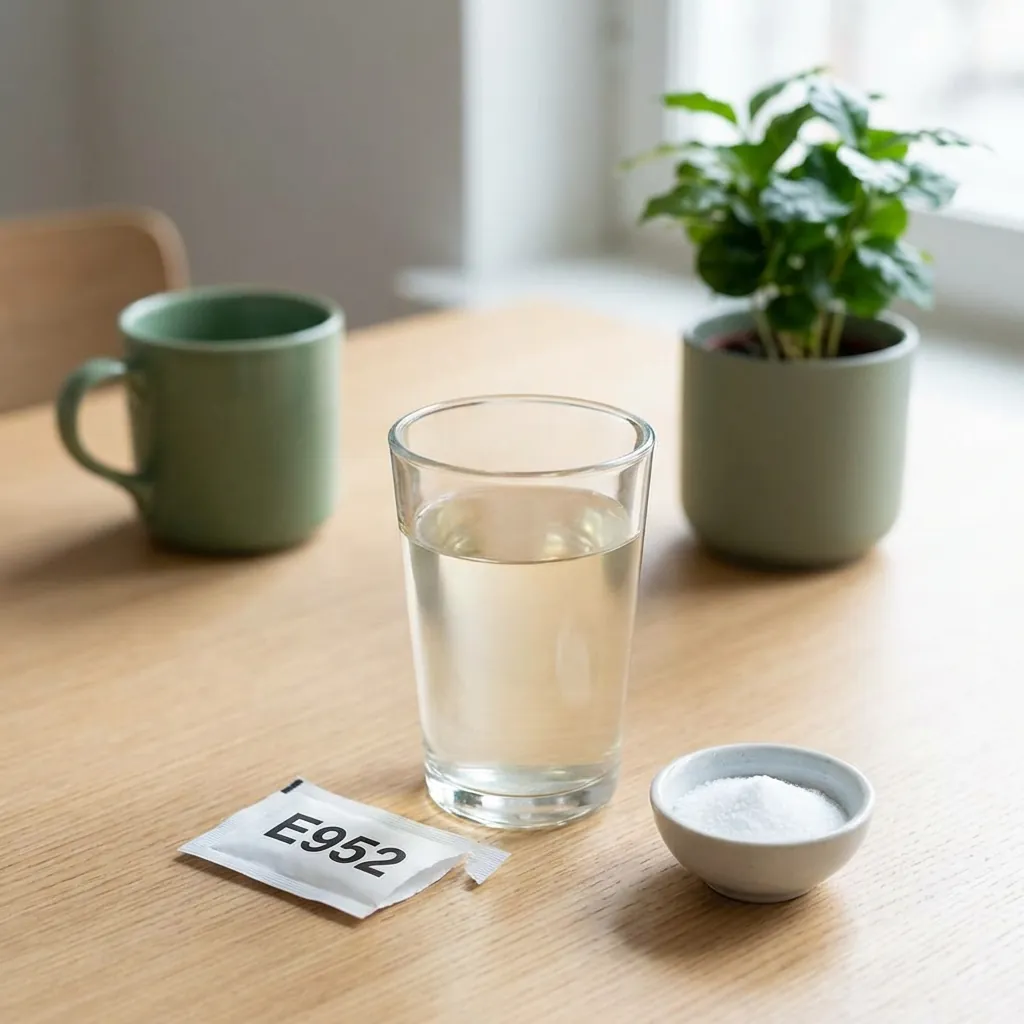
Cyclamate (E952) is an artificial sweetener banned in the US since 1969 due to cancer concerns, but still legal in Canada and Europe. Kale rates it Avoid (Red).
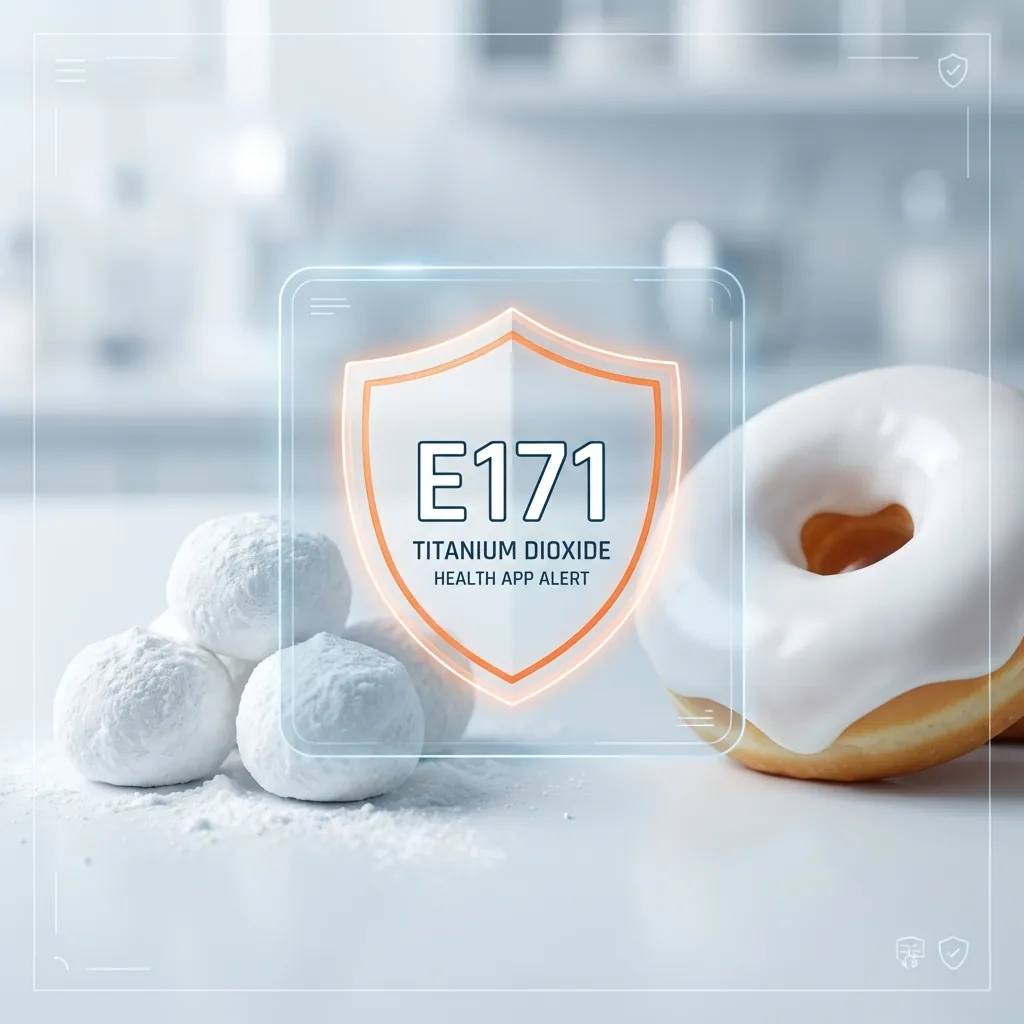
Everything you need to know about E171 (Titanium Dioxide), why it's used, the health risks that led to its EU ban, and how to spot it in your food.
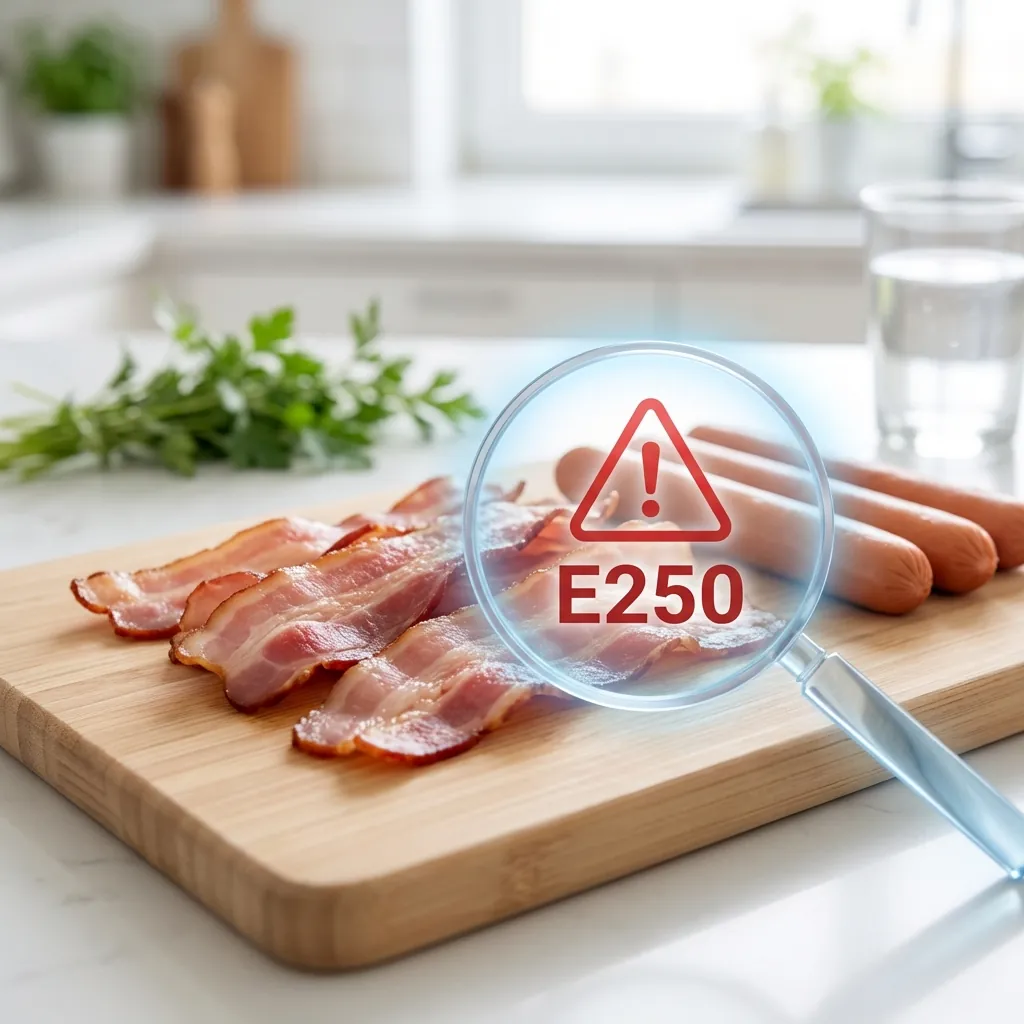
Why is Sodium Nitrite found in almost every processed meat? Learn about the cancer risks linked to E250 and how to find safer alternatives.
MSG (E621) is a flavor enhancer that has sparked decades of debate. Is it really harmful, or is it just a victim of bad PR? Kale rates it Caution (Orange).
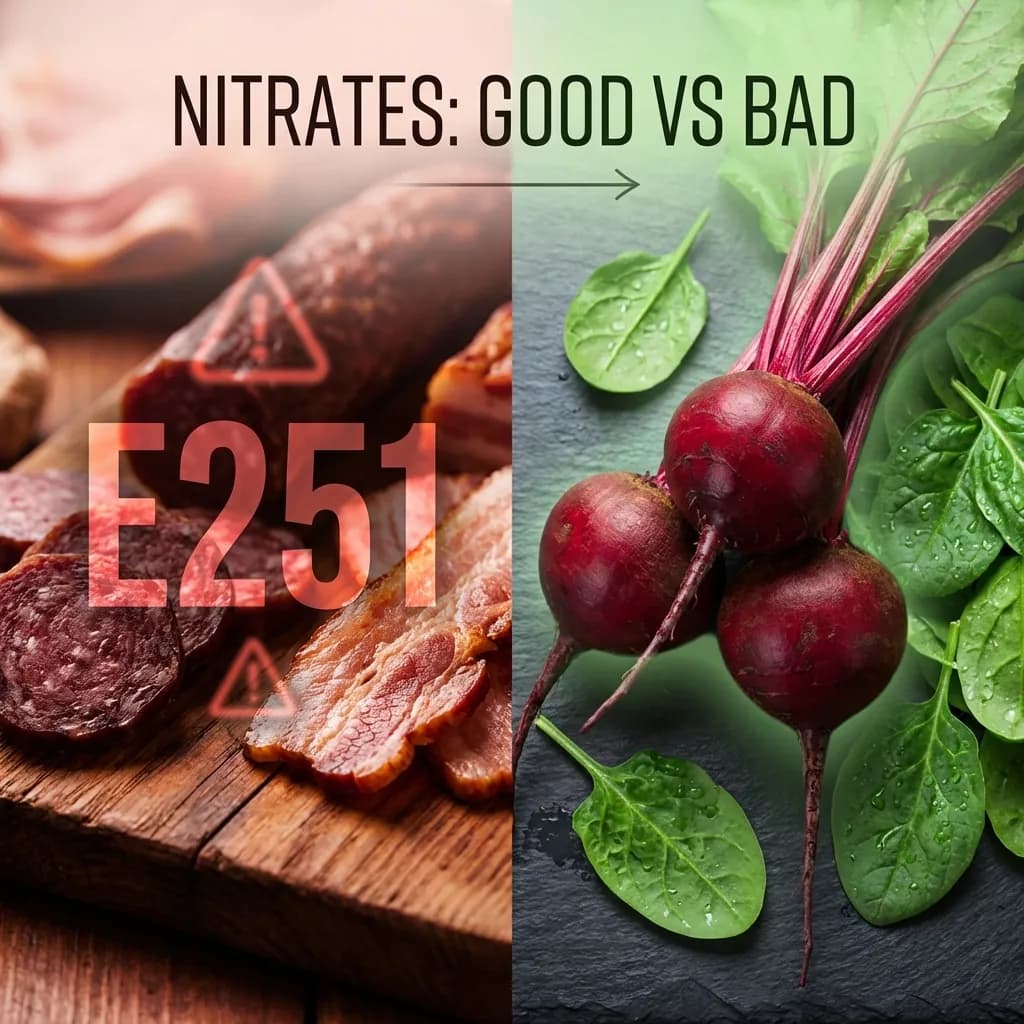
Not all nitrates are created equal. Understand the difference between natural nitrates in vegetables and the synthetic preservatives E251 & E252 found in processed meats.
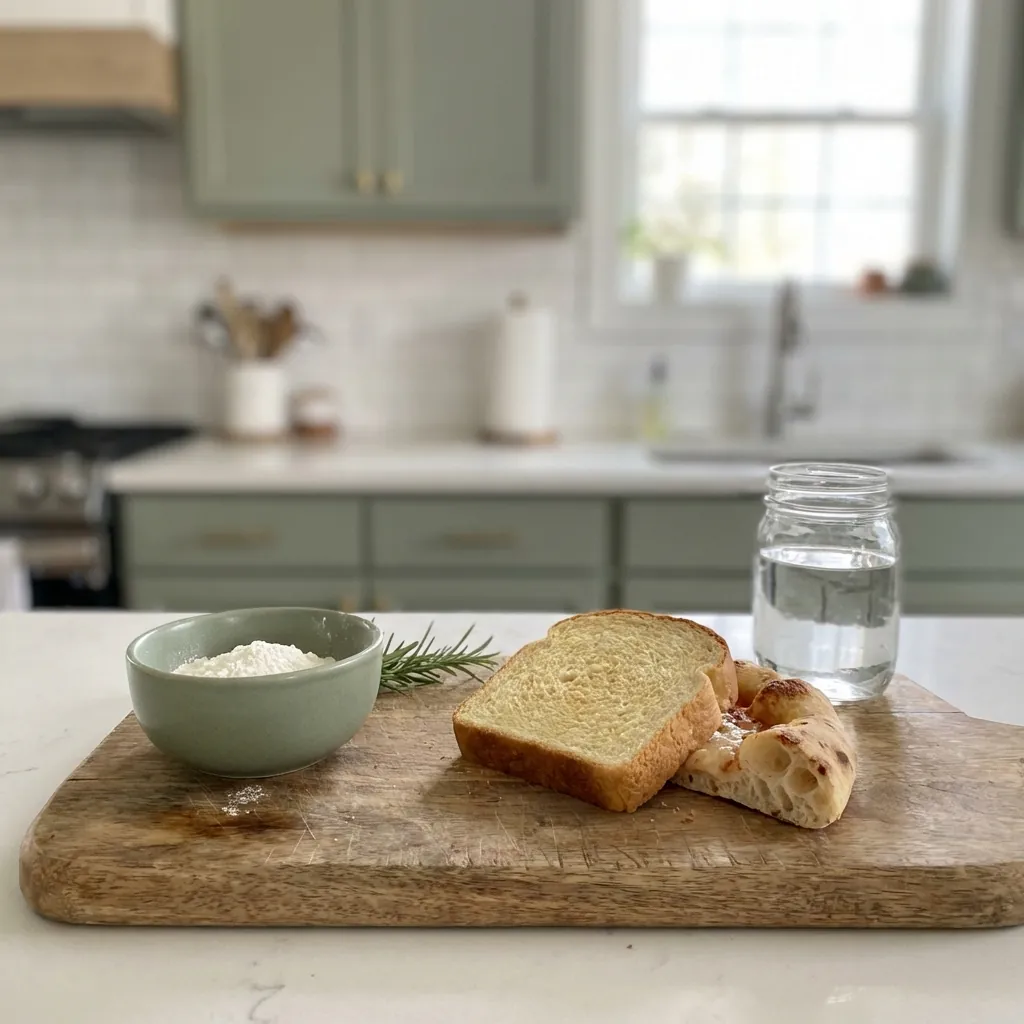
Potassium Bromate (E924a) is an oxidizing agent used to strengthen dough. It is a known carcinogen banned in Europe, Canada, and China, but still legal in the US. Kale rates it Avoid (Red).
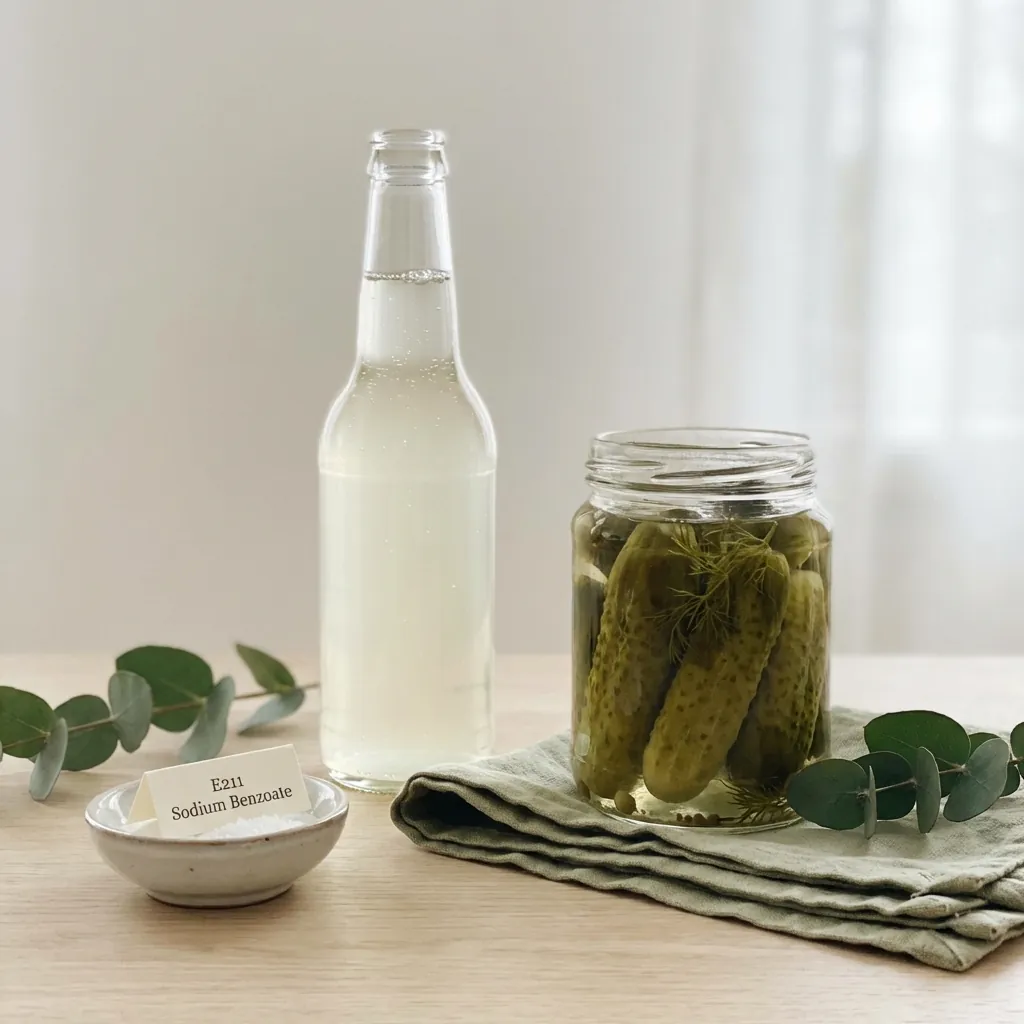
Sodium Benzoate (E211) is a common preservative in soda and pickles. When mixed with Vitamin C, it can form carcinogenic benzene. Kale rates it Caution (Orange).
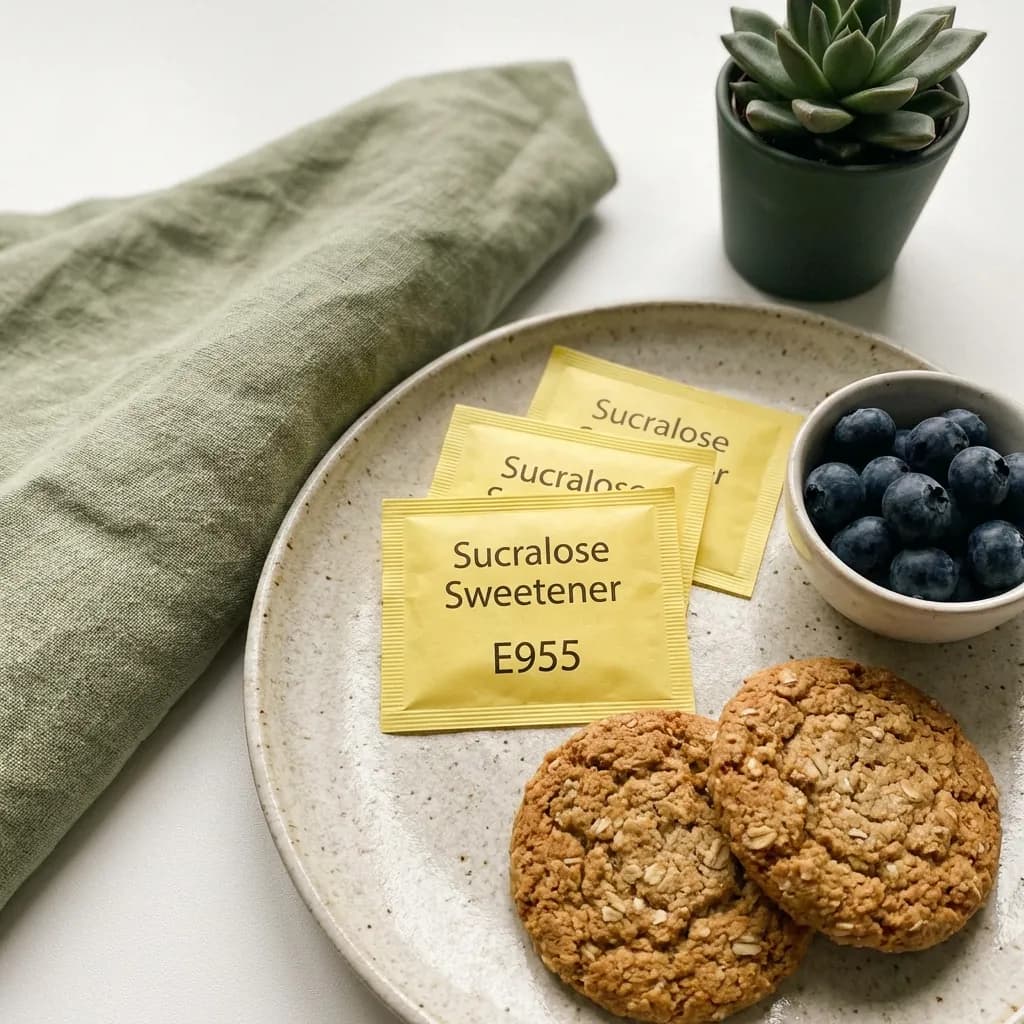
Sucralose (E955), known as Splenda, is a heat-stable artificial sweetener. But recent studies show it can form toxic compounds when heated. Kale rates it Caution (Orange).
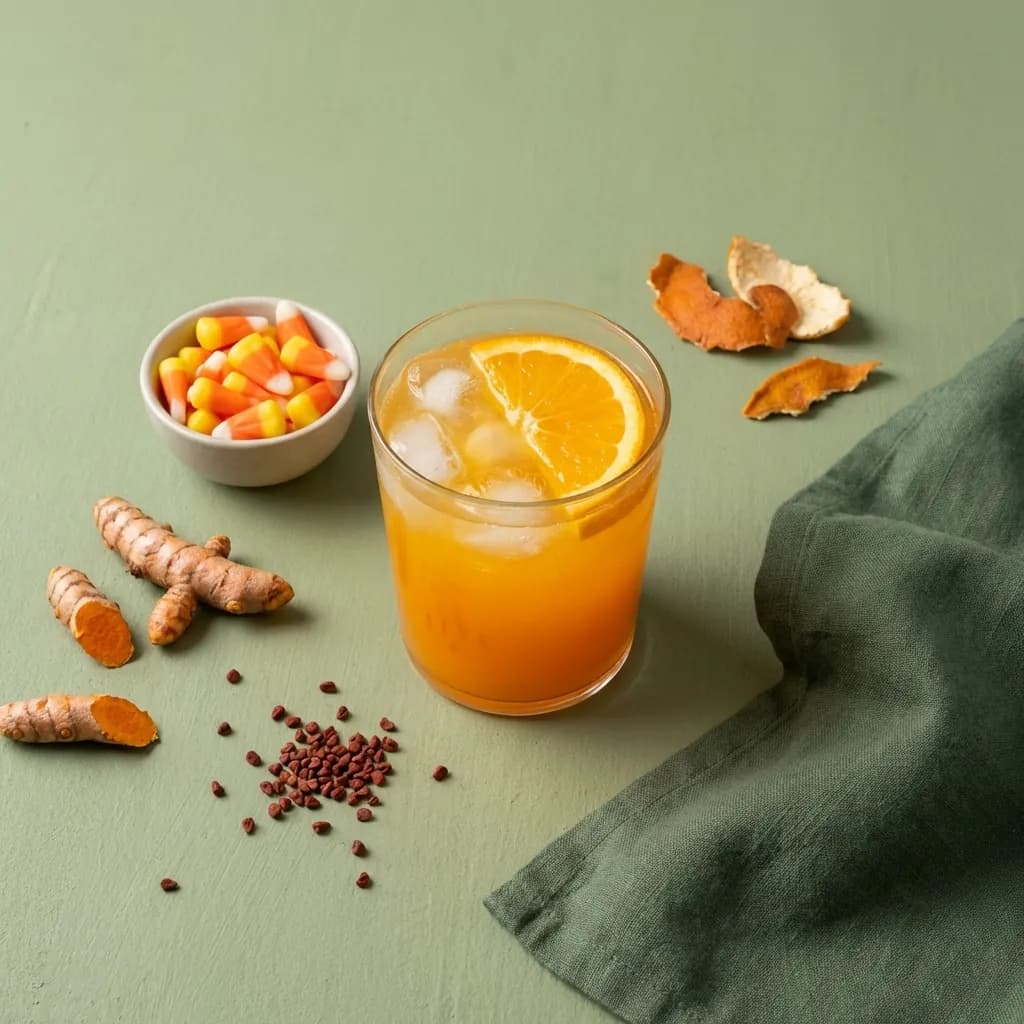
Sunset Yellow (E110), or Yellow 6, is an artificial orange dye linked to hyperactivity and tumor risks. Find out why Kale rates it Avoid (Red).
Tartrazine (Yellow 5) is a bright lemon-yellow dye found in sodas, candy, and chips. It's linked to hyperactivity in kids and allergic reactions. Find out why Kale rates it Avoid (Red).
Learn how to read and understand food labels to make healthier choices at the grocery store.